As seen in

New York, USA | Dubai, UAE | Hong Kong, HKG
goldenvisa@borderless.VIP

As seen in
goldenvisa@borderless.VIP
New York, USA | Dubai, UAE | Hong Kong, HKG
New York, USA | Dubai, UAE | Hong Kong, HKG
goldenvisa@borderless.VIP
goldenvisa@borderless.VIP
New York, USA | Dubai, UAE | Hong Kong, HKG
The EB-5 program is a U.S. employment-based immigration pathway created to encourage foreign capital investment and job creation. Successful applicants may obtain conditional permanent residency for themselves, their spouse and unmarried children under 21.
The program is managed by U.S. Citizenship and Immigration Services and typically involves an initial immigrant petition, a green card stage through adjustment of status or consular processing and a later filing to remove conditions on permanent residence.
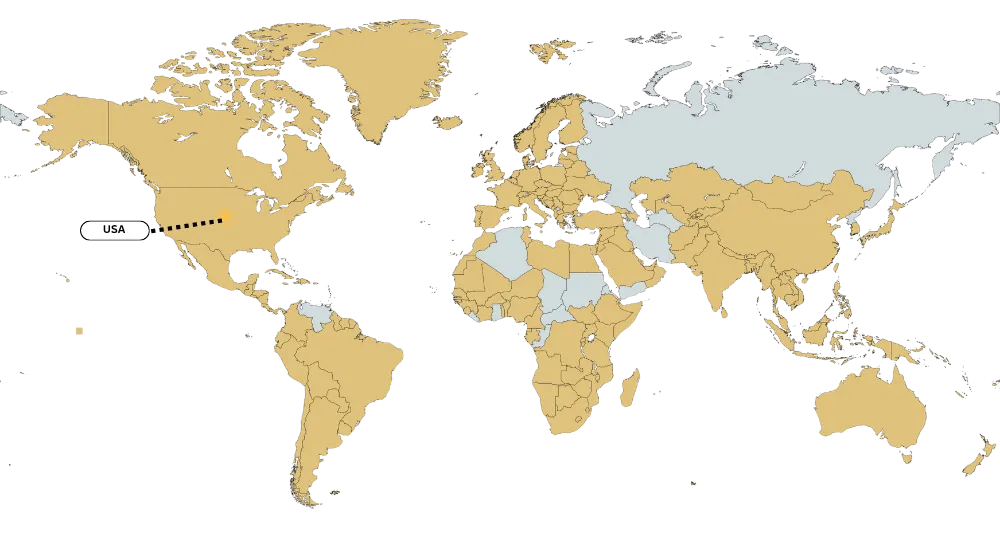
Investment in a qualifying EB-5 project located in a targeted employment area, such as a rural or high-unemployment area. This is the reduced threshold under current EB-5 rules and remains the most common entry point for many investors.
Investment in a qualifying U.S. commercial enterprise outside a targeted employment area. This route follows the standard minimum threshold and may be suitable for investors pursuing projects in stronger urban or non-TEA locations.
Regional centre investments are often preferred by investors seeking a more structured project model. Depending on the project location, the applicable threshold may be the TEA or standard amount and job counting can include indirect employment impacts.
The EB-5 program allows the principal investor to include a spouse and unmarried children under 21 as derivative beneficiaries. This makes it a family-focused immigration route for long-term settlement in the United States.
Each EB-5 investment must create or preserve at least 10 full-time jobs for qualifying U.S. workers. This is one of the core requirements of the program and a major factor in long-term approval.
Projects located in targeted employment areas may qualify for the reduced minimum investment amount of USD 800,000. These areas generally include rural regions and certain high-unemployment zones.
Approved applicants first receive conditional permanent residence. A later petition is required to remove conditions and obtain full lawful permanent resident status.
After petition approval, applicants inside the United States may use adjustment of status, while those outside the country generally proceed through immigrant visa processing at a U.S. consulate or embassy.
Investors must document that their capital comes from lawful sources. This is a central part of EB-5 adjudication and often requires extensive financial documentation and tracing of funds.
Regional centre cases may allow indirect job counting, while direct investments generally require direct employees within the enterprise. The right structure depends on the investor’s goals and risk profile.
The information provided on this page is for general guidance only and does not constitute legal, tax, financial, or immigration advice. EB-5 requirements, fees, processing times and adjudication standards may change. All applications are subject to review and approval by the relevant U.S. immigration authorities. Current filing fees should always be confirmed using the official USCIS fee tools and form pages.
The current minimum investment is generally USD 800,000 for projects in a targeted employment area and USD 1,050,000 for projects outside a TEA. The applicable threshold depends on the location and structure of the project.
Each EB-5 investment must create or preserve at least 10 full-time jobs for qualifying U.S. workers. This requirement is central to the program and must be supported with evidence during the application process.
Yes, the principal investor’s spouse and unmarried children under 21 may generally be included as derivative beneficiaries. They can obtain immigration benefits through the same EB-5 case if eligibility is maintained.
EB-5 first leads to conditional permanent residence if approved. After the required period and successful filing to remove conditions, the investor and eligible family members may obtain full lawful permanent resident status.
Direct EB-5 typically requires direct job creation within the enterprise, while regional centre investments may count direct and indirect job impacts depending on the project model. Many investors choose regional centres for a more structured approach.
Gifted funds can be used if they are properly documented and the lawful source of the donor’s funds can be proven. USCIS closely reviews source-of-funds evidence, so documentation quality is critical.
Timelines vary widely depending on the form stage, visa availability and USCIS workload. Investors should rely on current USCIS processing tools and the Visa Bulletin rather than assuming a fixed timeline.
Yes, but not immediately through the investment itself. After obtaining lawful permanent residence and meeting the normal naturalization requirements, including residence and physical presence rules, an investor may apply for U.S. citizenship.
Should you have any questions, or if you would like a detailed breakdown of the exact costs for your family, kindly contact us and we will be delighted to help you.
